
 Share
Share Post
Post Tweet
Tweet Copy
CopyRelated Articles
Artificial Intelligence
RSK BSL Tech Team
September 21, 2026
|
|

IT Outsourcing
RSK BSL Tech Team
September 15, 2026
|
|

Artificial Intelligence
RSK BSL Tech Team
September 12, 2026
|
|

Artificial Intelligence
RSK BSL Tech Team
September 9, 2026
|
|
Artificial Intelligence
RSK BSL Tech Team
September 6, 2026
|
|
Artificial Intelligence
RSK BSL Tech Team
September 3, 2026
|
|

Software Development
RSK BSL Tech Team
August 31, 2026
|
|

Artificial Intelligence
RSK BSL Tech Team
August 27, 2026
|
|

Software Development
RSK BSL Tech Team
August 24, 2026
|
|

Artificial Intelligence
RSK BSL Tech Team
August 20, 2026
|
|

Artificial Intelligence
RSK BSL Tech Team
August 17, 2026
|
|

Artificial Intelligence
RSK BSL Tech Team
August 14, 2026
|
|
Artificial Intelligence
RSK BSL Tech Team
August 11, 2026
|
|

IT Outsourcing
RSK BSL Tech Team
August 8, 2026
|
|
Artificial Intelligence
RSK BSL Tech Team
August 5, 2026
|
|

Artificial Intelligence
RSK BSL Tech Team
August 2, 2026
|
How AI Can Supercharge Cloud Pentesting: Automating Detection and Prioritization
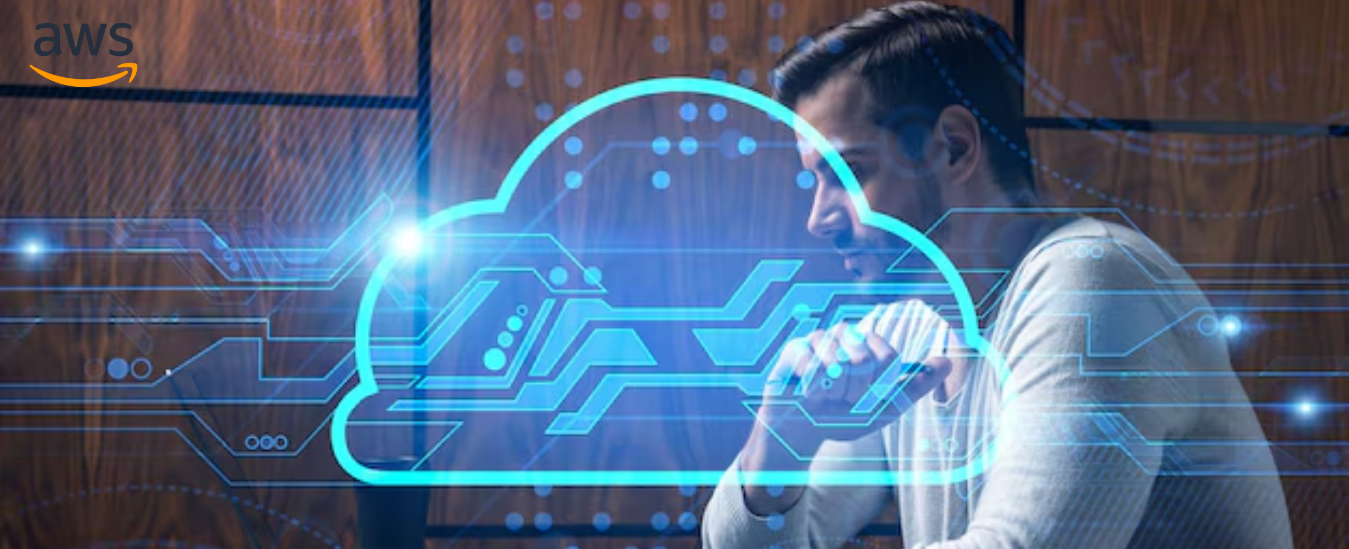
In the realm of cybersecurity, the synergy between AI and cloud pen-testing is revolutionizing how vulnerabilities are identified and mitigated. With AI algorithms at the helm, cloud pentesting transcends traditional methods, enabling rapid detection and prioritization of threats. This blog series delves into the intricacies of this dynamic fusion, elucidating how AI augments the efficacy of pentesting in cloud environments. From automating threat detection to streamlining vulnerability prioritization, we explore how AI-driven tools empower security professionals to fortify virtual infrastructures against ever-evolving threats. Join us as we unravel the symbiotic relationship between AI and cloud penetration testing…
How AI Has Evolved to Become an Ally for Pen Testing Professionals?
AI has undergone a remarkable evolution, emerging as a pivotal ally for penetration testing (pen testing) professionals.
Through advanced machine learning algorithms and neural networks, AI has transcended conventional approaches, empowering pen testers with unprecedented capabilities. It aids in automating routine tasks, accelerating the identification of vulnerabilities, and enhancing the prioritization of security risks.
Moreover, AI-driven tools exhibit the capacity to adapt and learn from vast datasets, continually refining their detection abilities. This evolution marks a paradigm shift in cybersecurity, where AI serves as a force multiplier. Eventually enabling pen testers to navigate complex environments with agility and precision.
In What Ways AI Can Boost the Results of Cloud Penetration Testing?
AI can significantly enhance the outcomes of cloud pen testing in several ways:
Automated Vulnerability Identification:
AI algorithms can swiftly scan vast infrastructures to identify potential vulnerabilities. By analyzing configurations, network traffic, and system behaviors, AI can pinpoint security weaknesses that might be overlooked by manual inspection.
Dynamic Threat Modeling:
AI-powered systems can simulate various attack scenarios based on real-world threat intelligence. Eventually allowing testers to assess the resilience of their cloud environments against sophisticated cyber threats. This dynamic modeling helps prioritize mitigation efforts based on the likelihood and potential impact of different attack vectors. Especially in azure penetration testing.
Prioritization of Remediation:
AI algorithms can analyze the severity and exploitability of identified vulnerabilities, enabling testers to prioritize remediation efforts effectively. By considering factors such as asset criticality and attack surface exposure, AI helps focus resources on addressing the most pressing security risks.
Behavioral Anomaly Detection:
AI-based anomaly detection systems can continuously monitor cloud environments for suspicious activities or deviations from normal behavior. By establishing baseline patterns, AI can detect unauthorized access, data exfiltration, or malicious activities that might indicate a security breach.
Predictive Analytics for Risk Assessment:
AI techniques, such as machine learning and predictive analytics, can analyze historical security data to forecast future threats and vulnerabilities in SaaS environments. This proactive approach allows organizations to preemptively strengthen their defenses and mitigate emerging risks.
Adaptive Security Controls:
AI-powered security solutions can dynamically adjust access controls, encryption settings, and other security parameters. This is based on evolving threats and workload requirements in cloud environments. This adaptability ensures that security measures remain robust and responsive to changing circumstances.
Enhanced Incident Response:
AI can facilitate rapid incident response by automating the detection, analysis, and containment of security incidents in cloud environments. By integrating with orchestration and response platforms, AI streamlines the remediation process, minimizing downtime and mitigating the impact of security breaches.
Continuous Monitoring and Compliance:
AI-driven monitoring solutions enable continuous assessment of cloud security posture and compliance with regulatory standards and industry best practices. By providing real-time insights and automated auditing capabilities, AI helps ensure ongoing adherence to security policies and regulatory requirements.
Overall, AI supercharges penetration testing to help businesses strengthen the resilience of their cloud environments against a wide range of cyber threats.
What AI Can’t Do?
While AI greatly augments pen testing and other security assessments, there are limitations…
AI lacks human intuition and contextual understanding, hindering its ability to grasp complex business requirements and assess risk accurately. Additionally, AI may struggle with zero-day exploits or novel attack techniques that are not present in training data.
Ethical considerations also arise, as AI may inadvertently perpetuate biases or overlook ethical implications. Furthermore, AI cannot replace the creativity and adaptability of human testers in devising unconventional attack strategies.
Also, it’s difficult for AI to understand the broader implications of security findings. Ultimately, human oversight remains essential to complement AI’s capabilities and ensure comprehensive security assessments in cloud environments.
Before You Go!
In conclusion, while AI revolutionizes cloud penetration testing, its efficacy is complemented by human intuition and ethical oversight.
By embracing the symbiotic relationship between AI and human expertise, organizations can maximize the output of cloud security testing processes.
Eventually, they can fortify their cloud infrastructures against evolving threats, ensuring comprehensive security in the digital landscape.
Praveen Joshi
Praveen is a seasoned IT Solutions Leader and Director at RSK Business Solutions, a technology-driven IT Consulting Company that specializes in Bespoke Software Development, Agile Consulting, Mobile App Development, Smart Sourcing, and much more. For the last 17 years, he has been delivering quality custom IT solutions that help businesses achieve their goals.
Related Posts
Posted By RSK BSL Tech Team on September 21st, 2026
Best AI Automation Agency UK 2026: Compare Top Providers in 2026

Posted By RSK BSL Tech Team on September 15th, 2026
How to Hire .NET Developers in the UK: A Complete Guide
Posted By RSK BSL Tech Team on September 12th, 2026
Custom AI Agents for UK Businesses: Automating Everyday Tasks

Posted By RSK BSL Tech Team on September 9th, 2026