
 Share
Share Post
Post Tweet
Tweet Copy
CopyRelated service: AI consulting services
Related Articles

IT Outsourcing
Ajay Kumar
October 15, 2026
|
|

Artificial Intelligence
Ajay Kumar
October 12, 2026
|
|

Artificial Intelligence
Ajay Kumar
October 9, 2026
|
|

IT Outsourcing
Ajay Kumar
October 6, 2026
|
|

Artificial Intelligence
Ajay Kumar
October 3, 2026
|
|
 |
|

Artificial Intelligence
Ajay Kumar
September 27, 2026
|
|

Artificial Intelligence
Ajay Kumar
September 24, 2026
|
|

Artificial Intelligence
Ajay Kumar
September 21, 2026
|
|

Thought Leadership
Ajay Kumar
September 18, 2026
|
|

IT Outsourcing
Ajay Kumar
September 15, 2026
|
|

Artificial Intelligence
Ajay Kumar
September 12, 2026
|
|

Artificial Intelligence
Ajay Kumar
September 9, 2026
|
|

Artificial Intelligence
Ajay Kumar
September 6, 2026
|
|

Artificial Intelligence
Ajay Kumar
September 3, 2026
|
|

Software Development
Ajay Kumar
August 31, 2026
|
How agentic AI is transforming predictive maintenance in rail, energy and heavy industry
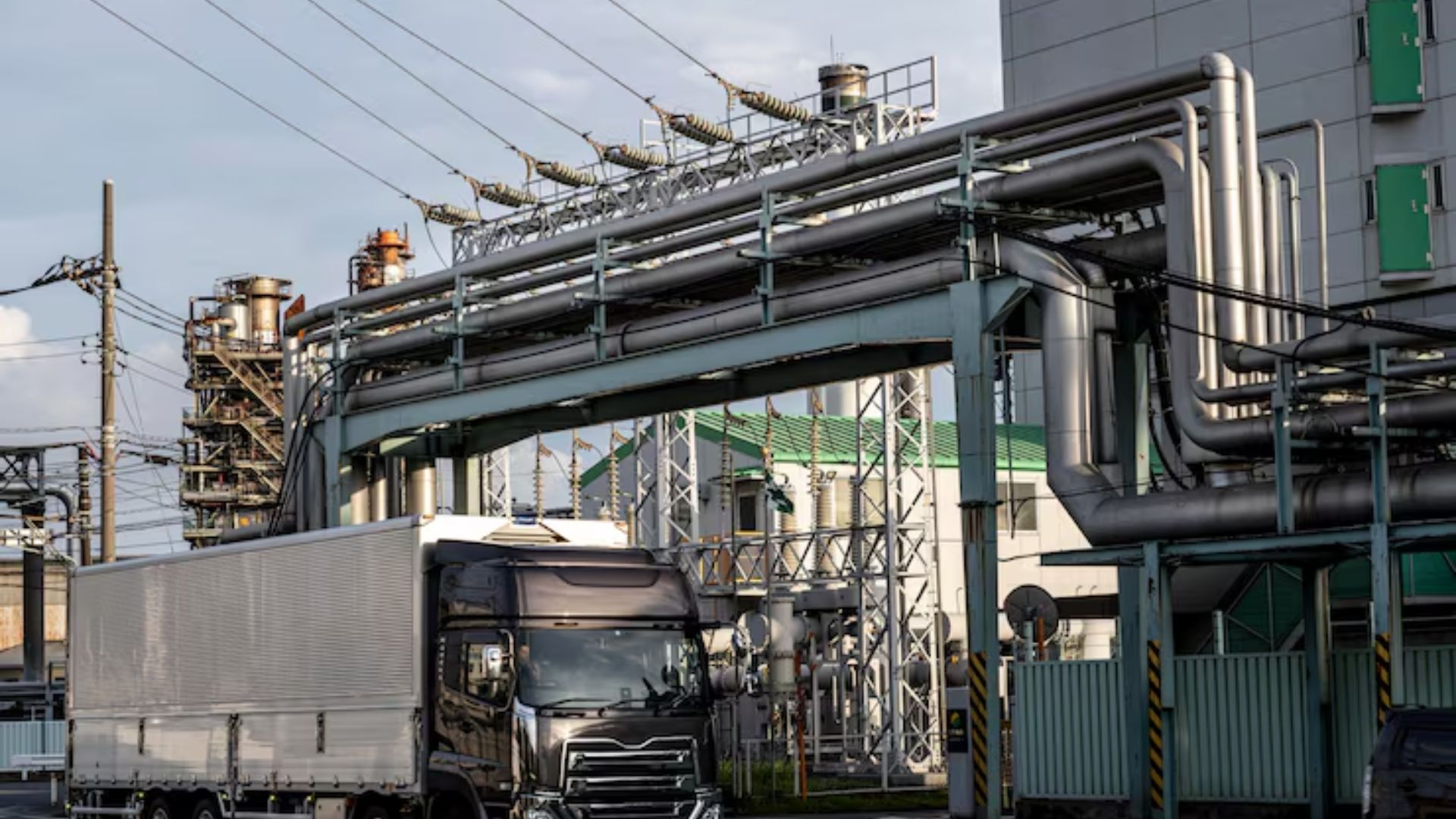
For companies in rail, energy and heavy industries, unplanned equipment failures are still causing billions in losses annually. Researchers estimate that unplanned downtime could account for up to 20% of the loss in productivity for industries. Although predictive maintenance has brought better failure predictions using data and analytics, another paradigm is beginning to take shape: Agentic AI, enabled by AI software development. Agentic AI is unlike traditional systems which can only offer insight, it can make decisions and make actions in real time. It integrates intelligence, adaptability, and automation, making maintenance a self-optimising process that leads to more resilient and efficient operations.
What is Predictive Maintenance?
Predictive maintenance is a data-driven process that monitors equipment condition and performance to predict failure. It relies on the sensors, IoT devices and advanced analytics to monitor data like temperature, vibration and pressure in real time. Using machine learning models on this data can help detect patterns indicative of potential problems and plan maintenance activities only when necessary. This minimises downtime, optimises maintenance cost, and increases the useful life of assets over traditional reactive and time-based maintenance practices.
What is Agentic AI?
Agentic AI is the most powerful type of AI that can take decisions, plan activities, and take action without any human assistance. Agentic AI is not meant to provide insights or predictions, but rather it is an independent “agent” that can learn from data, adapt to new circumstances, and proactively take action toward clearly defined goals.
In the industrial environment, it can serve not only as a tool for identifying equipment hazards, but also to initiate corrective measures such as scheduling maintenance, optimisation of processes, or coordination of systems to make them more intelligent, responsive and self-optimising.
How Agentic AI Enhances Predictive Maintenance
Agentic AI goes beyond just insights and takes predictive maintenance to autonomous action. While traditional predictive systems can tell when a machine is going to fail, they are still dependent on human action. Agentic AI fills this gap by developing intelligent systems that can analyse, make decisions and act in real-time.
These systems employ AI software development methods that allow them to continually learn from their operations, adapt to changing conditions, and optimise maintenance strategies without the need for manual intervention. It translates to moving away from condition monitoring and towards self-managing industrial ecosystems.
There are three stages in the transformation of maintenance strategies:
-
Reactive Maintenance
Equipment is only fixed when it breaks, causing unplanned downtime, increased costs and disruption to operations because there has been no foresight or preventive action.
-
Predictive Maintenance
Leverages data, sensors and machine learning to predict failures in advance and intervene at the right time to minimise downtime and maximise operational efficiency.
-
Agentic Maintenance (AI-Driven)
AI can predict failures, take decisions and start repair plans, optimise operations and learn and improve continuously based on feedback.
Key Capabilities
Autonomous Decision-Making
AI agent takes decisions without involving human input on what to do (repair, replace, adjust).
Real-Time Monitoring and Response
Analyses streaming data continuously and responds quickly to new risks.
Self-Learning Systems
Analyses streaming data continuously and responds quickly to new risks.
Multi-Agent Coordination
Multiple AI agents work in cross-system monitoring, workflow management, and scheduling optimisations.
Dynamic Optimisation
Balances the timing, cost, availability of resources and impact of maintenance on operations for maximum efficiency
End-to-End Automation
Can automatically generate maintenance tickets, order spares and even schedule field team.
Industry Applications
1. Rail
A network of sensors and monitoring systems are deployed by rail operators to inspect track, wheel, brake and signalling systems. This helps to identify wear, structural or component issues before they become a hazard or accident.
Agentic AI Impact:
Agentic AI aids in this by proactive scheduling of maintenance tasks, detection of faulty tracks, and instant team coordination. This makes for safer operations to reduce delays and improve the flow of rail operations.
2. Energy
Predictive maintenance is used in the energy industry for assets such as power grids, transformers, and wind turbines. By conducting continuous monitoring, anomalies like excessive heating, vibration variations, or load imbalances, which might signal problems, can be detected.
Agentic AI Impact:
Agentic AI can optimise the load, plan equipment downtime and maintenance procedures and can start without manual intervention. This helps to reduce outages, enhance energy efficiency and provide a more stable and resilient power supply.
3. Heavy Industry
At heavy industries, predictive maintenance is applied to equipment such as compressor, conveyor, drilling machine and production lines etc. Being able to follow the operational data will prevent breakdown or allow the equipment to be used effectively.
Agentic AI Impact:
Agentic AI facilitates self-contained decision-making, like modifying machine performance, requesting spare parts, and organising maintenance tasks. This helps to minimise downtime, maximise equipment life and improve operational productivity.
Business Impact and Advantages
-
Reduced Downtime
Is proactive in recognising potential failures and takes independent action to minimise unforeseen failures and become efficient.
-
Lower Maintenance Costs
Can optimise maintenance schedules by acting in a timely manner only when necessary and avoiding unnecessary repairs as well as costly emergency repairs.
-
Improved Safety
Frequently monitors equipment condition and prevents serious equipment failures to reduce risks to workers and improve safe operating conditions.
-
Extended Asset Lifespan
Supports equipment to run optimally, limiting equipment wear and extending industrial asset life.
-
Enhanced Operational Efficiency
Enables automatic decision making and maintenance workflows, which enhance productivity and resource and time efficiency.
-
Better Resource Planning
Lifts the burden of manpower, spares and maintenance, helps you allocate them efficiently with intelligent insights and actions based on data.
Challenges in Adopting Agentic AI for Predictive Maintenance
-
Data Quality and Integration
Huge quantities of accurate, real-time data are the fuel behind agentic AI. Inaccuracies or data silos can decrease effectiveness and create unreliable decision making.
-
Legacy System Compatibility
Many sectors are still using legacy infrastructure, requiring major upgrades or system redesigns to incorporate AI advancements effectively.
-
High Initial Investment
Smaller companies will have a difficult time keeping up with this as they will be spending a lot on sensors, software, and infrastructure to adopt AI in their businesses.
-
Trust and Transparency
Lack of transparency about the decision-making process of AI systems can sometimes deter organisations from adopting autonomous decision-making.
-
Cybersecurity Risks
Increased connectivity and automation expose systems to potential cyber threats, requiring robust security measures to protect critical industrial assets.
-
Skill Gaps and Change Management
Implementing agentic AI involves hiring qualified staff and getting them up to speed, which requires training and change management.
Future Outlook
Agentic AI is the key to the future of predictive maintenance. With ongoing advancements in AI software development, these systems will also be able to control an entire industrial ecosystem. As digital twins, IoT networks, and enterprise platforms become a part of Agentic AI, real-time, end-to-end decision-making will be possible. The organisations can anticipate a transition towards ‘zero downtime’ operation, in which machines constantly monitor, heal and adapt to changing conditions themselves. This change will change the face of operational efficiency and render smart maintenance a process, largely unnoticeable, in daily industrial operations.
Conclusion
Agentic AI is shaping the future of predictive maintenance, going beyond just insights to intelligent, autonomous action. It helps companies in rail, energy, and heavy industries to minimise downtime, optimise costs, and improve safety by making real-time decisions and continuously learning. As more leading Artificial Intelligence companies start to adopt these solutions, they are becoming more scalable and accessible. With industries adopting this transition, agentic AI will be a key factor in creating robust, efficient, and future-proof operations where maintenance is part of the system, proactive, and self-directed.
Ajay Kumar
Ajay is SEO Executive at RSK Business Solutions, where he leads content, SEO and campaigns for the company's AI, software development and cyber security services. He works with RSK's engineers and security consultants to turn technical expertise into practical guides for UK business and technology leaders.
Related Posts

Posted By Ajay Kumar on October 15th, 2026
Cost-Effective Custom AI Solutions with Offshore Development

Posted By Ajay Kumar on October 9th, 2026
OpenAI Dots: What the New Agentic AI Framework Means for Businesses

Posted By Ajay Kumar on October 6th, 2026